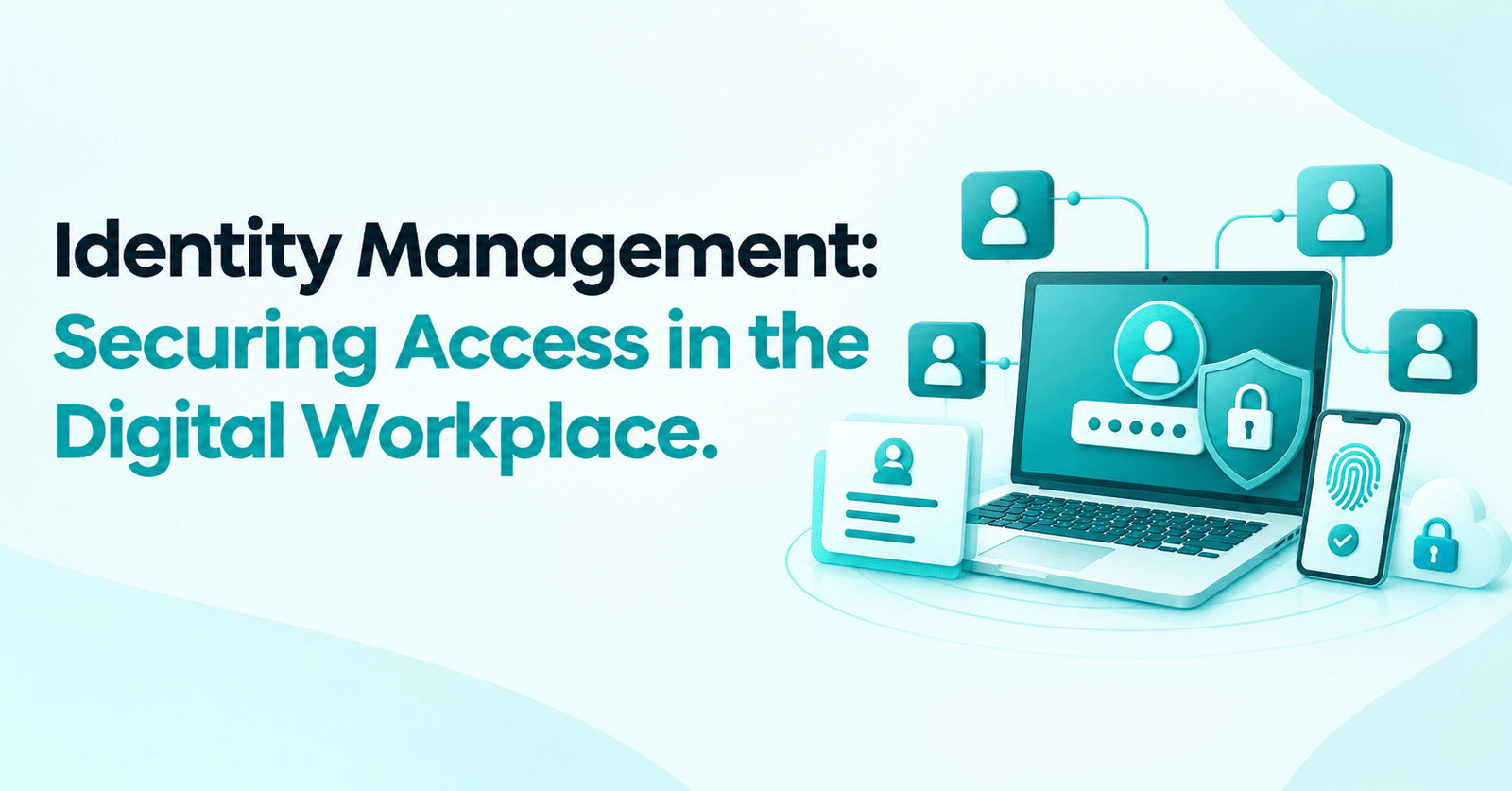
Identity Management: Securing Access in the Digital Workplace
In today’s workplace employees, partners, customers and third-party users connect to business systems from different locations and devices. As companies rely more on cloud platforms, applications, networks and digital services managing who can access what has become a priority for cybersecurity.
Identity Management allows organizations to manage identities and control access to business resources. It makes sure that each user gets the level of access they need while keeping sensitive data safe, from unauthorized users.
Securium Solutions offers Identity Management as part of its cybersecurity services. This includes SIEM, Cloud Security, Security Auditing, VAPT, Advanced Threat Protection and other security offerings.
What Is Identity Management?
Identity Management is the process of managing user identities and controlling their access to applications, systems, networks and data.
It involves managing the identity lifecycle—from creating a users account and assigning permissions to modifying access when their role changes and removing access when they leave the organization.
A strong identity management approach helps organizations maintain visibility and control over user access.
Why Identity Management Matters
Traditional workplaces often relied on employees working within a controlled office network. Modern workplaces are different.
Employees may work remotely use devices, access cloud applications and collaborate with external partners. This creates access points and increases the importance of effective identity and access controls.
Without identity management organizations may face risks such, as:
- Unauthorized access is a serious issue
- Excessive user permissions can be
- Compromised accounts are a big problem
- Unmanaged inactive accounts are a risk
- Exposure of sensitive information is a major concern
- Difficulty tracking user activities is a challenge
Managing identities properly can help lower these dangers and build a safer online space.
Key Components of Identity Management
User Identity Management
Every user must have a managed digital identity. Organizations should have processes for creating, updating and deleting user accounts based on business needs.
This is especially important when employees move between departments take on roles or change job responsibilities.
Access Control
Not all employees need access to every system or piece of information.
Access should be granted based on the user’s job duties and the requirements of their role. This supports the idea of giving users enough access to do their work no more.
Authentication
Authentication is the process of confirming that someone trying to enter a system is really the person.
Strong authentication methods add a layer of security. They are especially useful, for systems that store business data or customer details.
Permission Management
User permissions should be checked regularly. Over time workers may end up with access they no longer need.
Regular reviews help organizations spot excessive permissions. This leads to control over valuable and sensitive resources.
Identity Lifecycle Management
I believe identity management must be maintained for the duration of a user’s relationship with the organization.
When a new person joins access must be provisioned. When that person’s role changes permissions must be updated. When that person leaves any unnecessary access must be removed quickly.
This lifecycle approach stops accounts and permissions from becoming security weaknesses. I find that this approach helps keep things secure.
Identity Management and Cybersecurity
Identity is closely linked to an organization’s cybersecurity posture. Even a strong security infrastructure can be weakened if unauthorized users gain access to accounts. I see how identity can make or break security.
Therefore identity management must work together with security measures such as vulnerability assessment, security auditing, threat monitoring, cloud security and security architecture. I think it is essential to keep all these in sync.
Securium Solutions offers a range of cybersecurity services that address different areas of organizational security, such, as Identity Management, Security Auditing, Vulnerability Assessment and Penetration Testing, Cloud Security and Managed Security. They cover all the bases I need.
Benefits for the Digital Workplace
- Access Control: Identity management lets organizations control who can access specific resources.
- Reduced Security Exposure: By limiting unnecessary access identity management reduces the chances of unauthorized activity.
- Improved Visibility: Identity management gives security teams a clearer view of user access across the entire environment.
- Efficient User Management: Standardized identity processes simplify onboarding, role changes and offboarding.
- Stronger Security Posture: Identity management becomes an important layer within a broader cybersecurity strategy.
Building a More Secure Digital Environment
As businesses continue to adopt technologies identity management cannot be treated as an administrative task alone. Identity management is a part of cybersecurity.
Organizations should regularly review access permissions manage user identities throughout their lifecycle and align access, with business responsibilities.
The goal is simple:
The right person should have the right access at the right time—and unnecessary access should not remain open.
Conclusion
The digital workplace has created new opportunities for businesses, but it has also increased the complexity of managing access.
Identity Management helps organizations bring greater structure and control to digital identities and access. By managing users, permissions, authentication, and identity lifecycles effectively, businesses can reduce unnecessary exposure and strengthen their overall cybersecurity approach.
At Securium Solutions, Identity Management forms part of a broader cybersecurity service portfolio focused on helping organizations address their information security and risk management needs.
Secure identities. Control access. Strengthen your digital workplace.