Cyberattacks are not a problem for big companies anymore. Businesses of every size are now targets, for phishing, ransomware, malware, data breaches and other cyber threats. One single successful attack can lead to losing money having data stolen stopping all work and hurting the reputation of your business.
The good news is that businesses can really lower their risks. You can do this by using the right cybersecurity strategies and security controls.
1. Conduct a Cybersecurity Risk Assessment
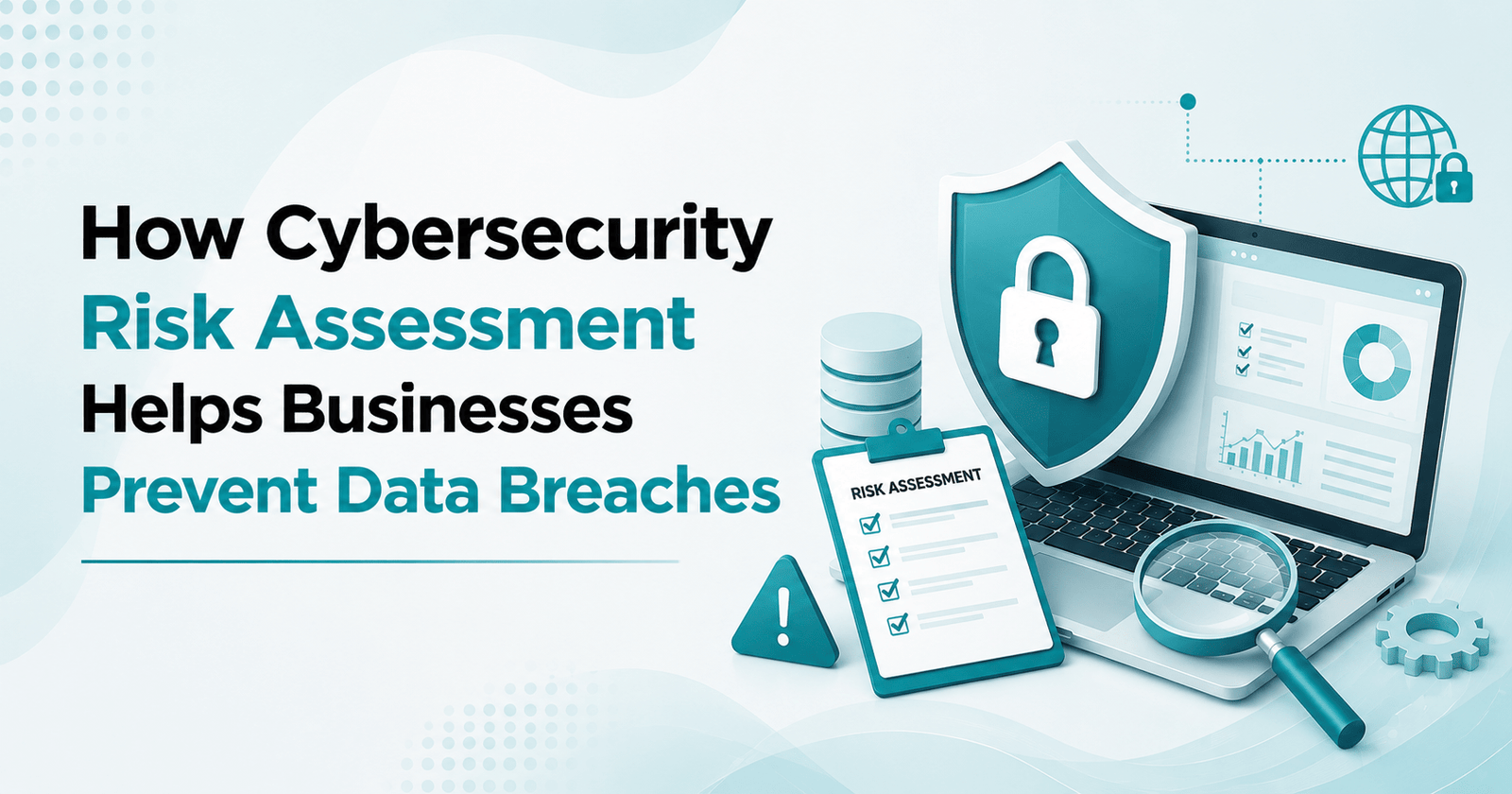
The first step to protect your business is to know where your weaknesses lie. A cybersecurity risk assessment shows which assets are most important where security gaps exist what threats could. How business risk looks.
Doing risk assessments often lets companies decide where to spend money on security and fix gaps before attackers find them.
2. Keep Software and Systems Updated
Old software can have holes that attackers use to break in. Companies should update operating systems, apps, network gear and security tools on a basis.
Setting up a patch management process helps shrink the ways hackers can get in. It also keeps your systems safe from known vulnerabilities.
3. Strengthen Employee Cybersecurity Awareness
Hackers often target employees using phishing emails, bad links, fake login pages and social engineering attacks. Even the best security technology cannot fully protect an organization if employees do not know how to spot cyber threats.
Giving cybersecurity awareness training can help employees recognize suspicious emails. Cybersecurity awareness training also teaches staff how to protect credentials stay away, from links and report potential incidents quickly.
4. Use Multi-Factor Authentication
Passwords are not enough to keep business accounts safe. Multi-factor authentication adds a layer of safety. Multi-factor authentication works by asking users to prove who they are using a method.
Businesses should turn on Multi-factor authentication for email accounts, cloud applications, remote access, administrative accounts and other important systems whenever they can.
5. Protect Sensitive Business Data
You must protect business data like customer records, money details, employee data and private ideas.
Companies should use data encryption set rules for who can see things make backups and use tools to stop data loss. It is also smart to use the rule of privilege, for sensitive business data. This means employees should only see the business data they actually need to do their jobs.
6. Perform Vulnerability Assessments and Penetration Testing
A vulnerability assessment helps organizations discover weaknesses across systems, applications and networks. Penetration testing goes a step further by simulating real-world attacks to determine whether identified vulnerabilities can actually be exploited.
Regular vulnerability assessment and penetration testing or VAPT can help businesses identify and fix security gaps before cybercriminals take advantage of them.
7. Implement Continuous Security Monitoring
Cyber threats can occur at any time. 24/7 Security monitoring using SIEM and XDR solutions can help organizations detect activities and potential threats faster.
Security monitoring enables security teams to analyze logs identify behavior investigate alerts and respond to incidents before they cause significant damage.
8. Create a Cybersecurity Incident Response Plan
Even organizations, with security controls can experience cyber incidents. Having a cybersecurity incident response plan helps businesses respond quickly and systematically.
The plan should define responsibilities, communication procedures, containment strategies, recovery steps and reporting processes.
Regular testing can also ensure that employees know what to do during an incident.
9. Back Up Critical Data
Reliable backups are key to getting from ransomware, hardware failures, accidental deletions and other problems. Businesses must keep backups of essential data and test them often.
Using a 3 2 1 strategy gives extra safety by storing several copies of vital information in separate places.
Keeping your business safe from cyberattacks needs than one security tool. It needs an approach that mixes risk assessment, employee training, vulnerability checks, access limits, constant monitoring, data protection and a clear plan for responding. By checking your security and fixing weaknesses before attackers can use them your organization can cut cyber risk and grow stronger against new threats.
Want to boost your organization’s cybersecurity? A professional risk assessment can spot problems. Decide which security steps are best, for your business.