Major Components of the DevSecOps Model
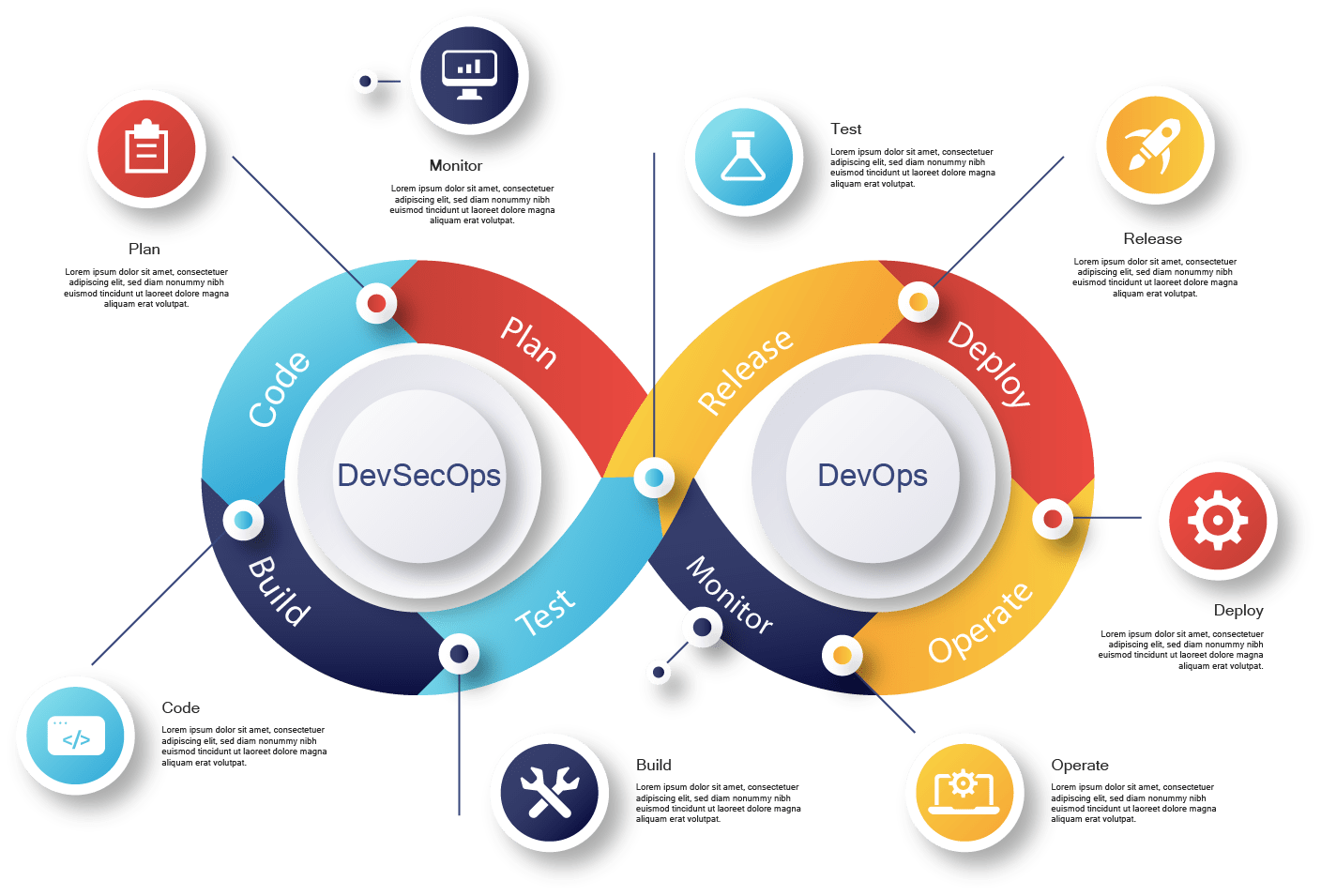
Development: In the development phase, developers write code and create software applications. In a DevSecOps environment, security is integrated into the development process from the very beginning. This means that developers must be trained in security best practices and security testing is conducted during the development process. This ensures that security is a fundamental part of the application design and that potential vulnerabilities are identified and addressed early in the development cycle.
Operations: In the operations phase, the software is deployed and operated in production environments. Operations teams are responsible for managing the infrastructure and ensuring that the software is performing as expected. In a DevSecOps environment, operations teams work closely with development teams to ensure that security is maintained throughout the deployment and operations process. This includes monitoring for security vulnerabilities and responding quickly to any potential security incidents.
Security: In the security phase, security measures are implemented to ensure that the software is secure and protected from cyber threats. Security teams are responsible for identifying potential vulnerabilities and implementing security controls to mitigate the risk of cyber attacks. In a DevSecOps environment, security is integrated into the entire development and deployment process. This means that security teams work closely with development and operations teams to ensure that security is maintained throughout the software development life cycle.